
Why Do Indians Value Imported Snacks More Than Traditional Ones?
2026-07-17
The Original Makhana Family
2026-07-29
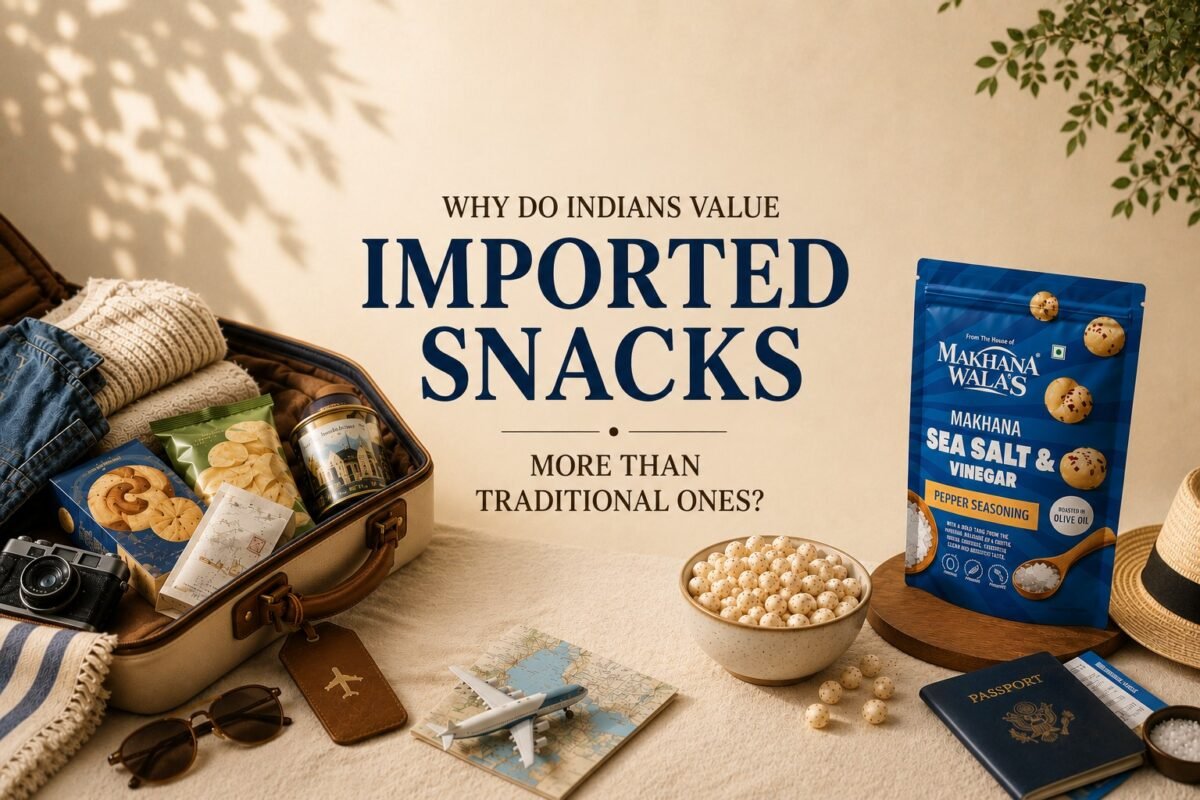
India is home to a myriad of delicious food. From the North, we have the ever so famous Butter Chicken. From the South, we have the delicious Masala Dosa. The East has Bengal’s famous foods, like Roshogullah, and the West has its own flavours as well. This is just scratching the surface of India’s amazing cuisine, which varies tremendously from state to state.
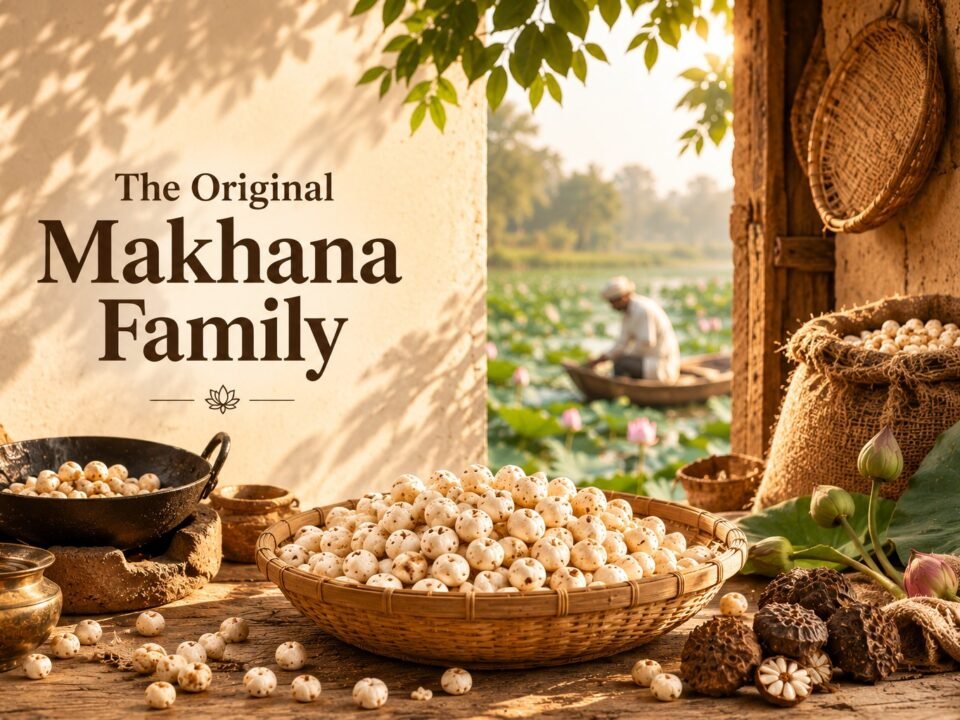
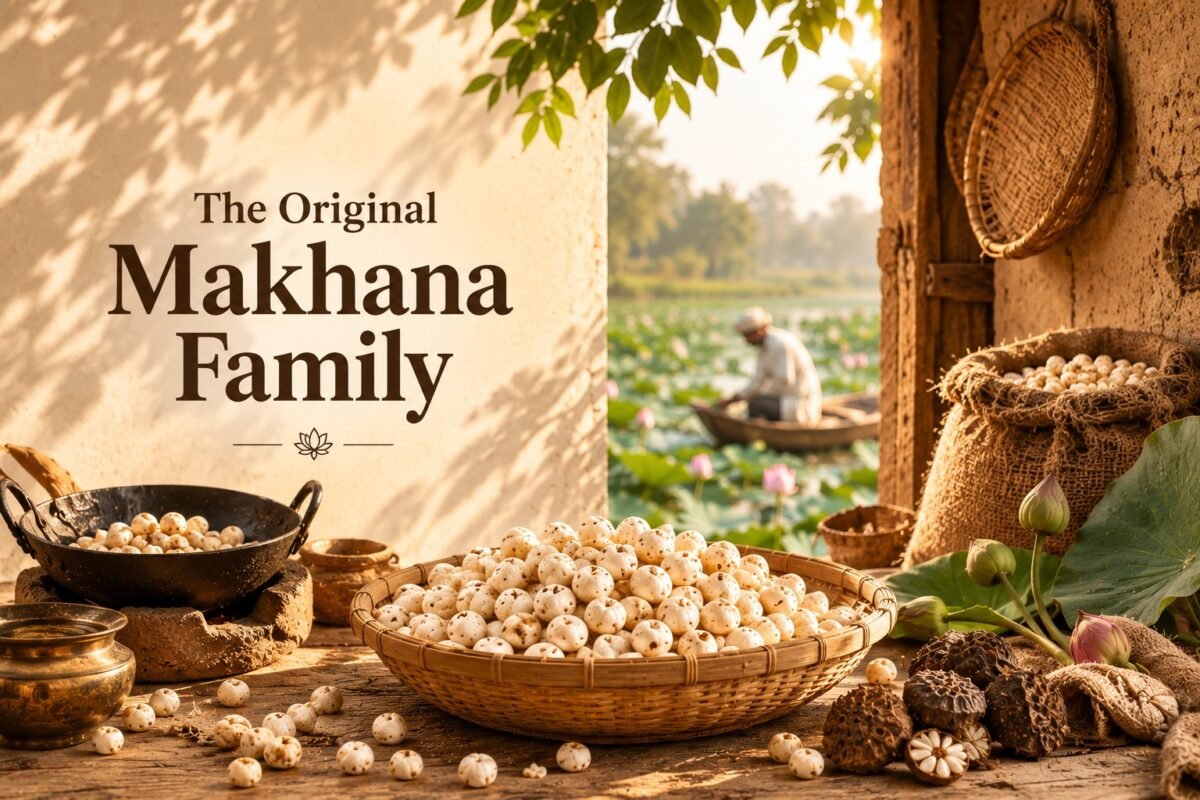
One of the most humble foods that has been gaining popularity in recent years is the small but mighty roasted makhana. Coming from Bihar’s glittering ponds, this seed is a national treasure and deserves to be on the world stage. Whether you buy it from a store or buy roasted makhana online, you can’t deny it is special. Here are some of the reasons that Makhana deserves global recognition.
- Makhana Is A Nutritional Powerhouse
While roasted makhana is delicious, it is also nutritious. When compared to fried chips or popcorn, it is much healthier. A detailed breakdown of 100 grams of raw makhana includes 347 calories, 79 grams of carbohydrates, 11 grams of protein, 14 grams of dietary fiber, 0.6 grams of fat, 500 mg of potassium, 60 mg of calcium, and 67 mg of magnesium. For such a small seed, that is a lot of nutrition!
Here’s more about makhana nutrition. It has a low glycemic index, which means it releases glucose into the bloodstream slowly. That prevents insulin and blood sugar spikes. It is also high in fiber and protein, keeps you full for longer, helps curb cravings and prevents overeating. Makhana is rich in antioxidants and good for bone health and cardiac function.
- Makhana Cultivation Supports The Economy
Makhana cultivation drives inclusive, rural, economic growth by supporting over 5,00,000 smallholder farmers and traditional fishermen. It generates sustained seasonal employment, provides high-value export opportunities, and integrates seamlessly with fisheries. Makhana cultivation yields a high benefits-cost ratio. That makes it a highly lucrative venture for marginalised farmers in flood-prone, water logged regions.
Cultivating makhana generates rural employment, but it also encourages entrepreneurship. Processing raw seeds into packaged snacks allows local communities to bypass middlemen and capture higher retail margins.
- Makhana Is Backed By The PM
Makhana has a strong backing from the PM of India, who regularly promotes it as a superfood. The PM officially launched the National Makhana Board in Bihar to scale up production, processing and exports. The government also approved a ₹476 crore central scheme dedicated to makhana research, farmer capacity building, and global marketing.
PM Modi has personally championed the superfood, gifting it to foreign dignitaries such as the Crown Prince of the UAE and the President of Mauritius. The Prime Minister has publicly stated that he consumes makhana 300 days a year to maintain good health.
- Cultivating Makhana is Hard Work
Cultivating makhana is labour intensive work. Farmers have to wade chest deep in muddy ponds, harvest the spiky seeds by hand, and then endure a highly labour intensive, multi-stage roasting and popping process where timing must be extremely precise.
The farmers put their blood, sweat, and tears into this work, just to produce a simple makhana puff for us all to enjoy. Due to this intense, labour heavy work, we believe makhana deserves global recognition.
- Makhana is versatile and can be made into almost any dish
If you look at roasted makhanarecipes, you will find that this nutritious seed can be used in both sweet dishes and savoury dishes. It creates a fantastic, creamy base that adds volume to any dish it is in. From makhana kheer, to curries, you can add this roasted seed to any dish for added texture.
This versatility makes it a special ingredient, one that is highly valued. Let us not forget that roasted makhanas make for a great snack as well. This versatility surely makes it a food that is worth garnering global attention.
- It is eco friendly and sustainable
Makhana is highly eco-friendly and sustainable. It thrives naturally in shallow wetlands without synthetic fertilizers or intensive irrigation. The crop requires minimal water and helps prevent soil erosion while supporting wetland biodiversity. Additionally, it provides a stable livelihood for farmers in flood-prone regions like Bihar.
It has a negligible water footprint, and relies mostly on seasonal rainfall. Makhana eliminates the need for chemical pesticides or fertilizers as well. The crop is climate resilient and boosts local economies.
- Makhana Supports Women-Led Microenterprises in Processing
Makhana production supports rural livelihoods, with women-led microenterprises and self-help groups playing a foundational role in post-harvest processing, sorting, roasting, and value addition. When you buy a packet of roasted makhana, remember that it is probably a team of women who have meticulously cleaned, sorted, sun-dried, and roasted the seeds.
Women-led collective enterprises manage these value-add steps, which significantly increase the commercial value of the crop compared to selling raw seeds.
From makhana’s nutritional profile to its versatility, and the people it supports through its cultivation, makhana is truly a special seed. These are the reasons we think it deserves to be on the global stage. What are yours?