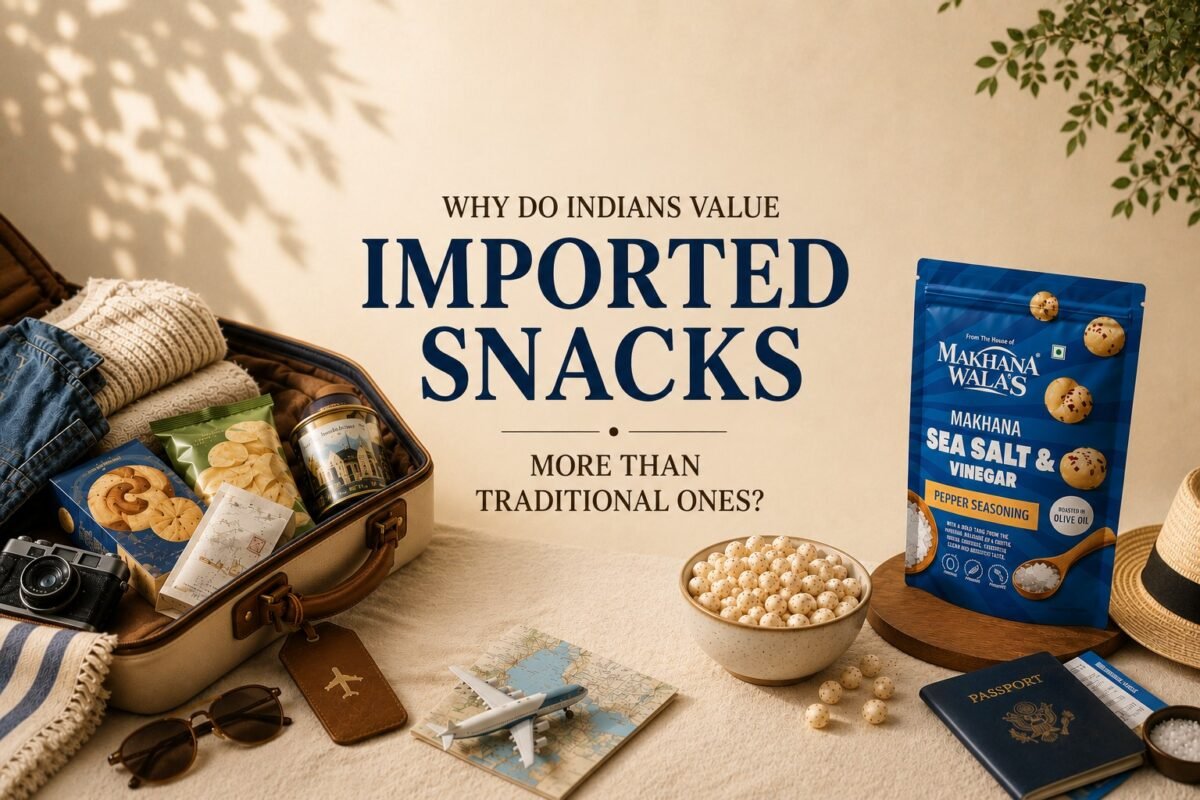

What’s One Indian Food That Deserves Global Recognition?
2026-07-29
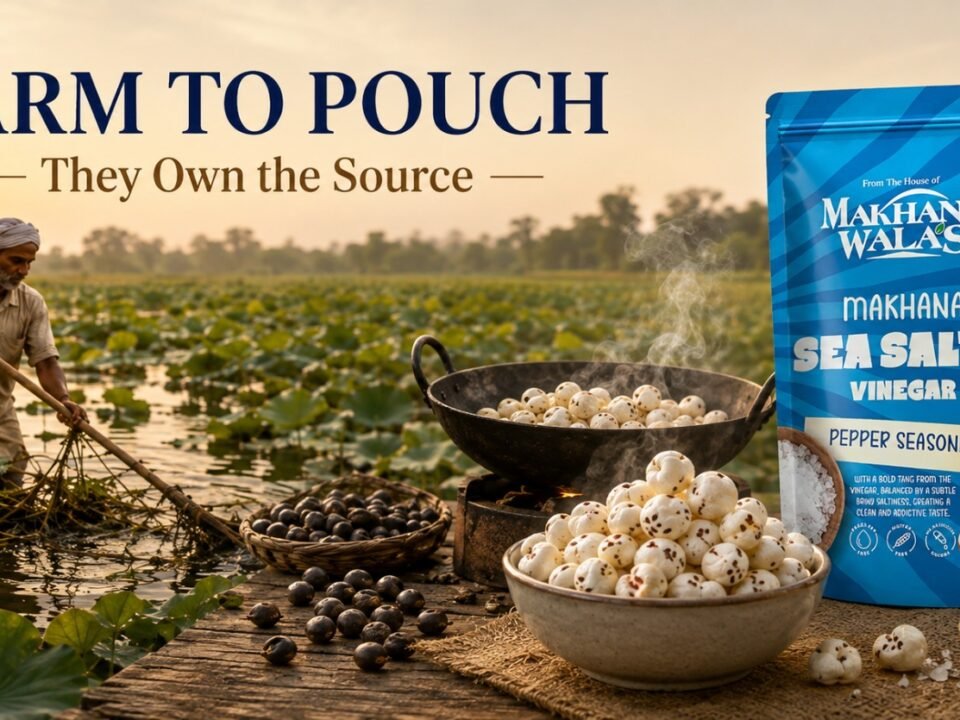
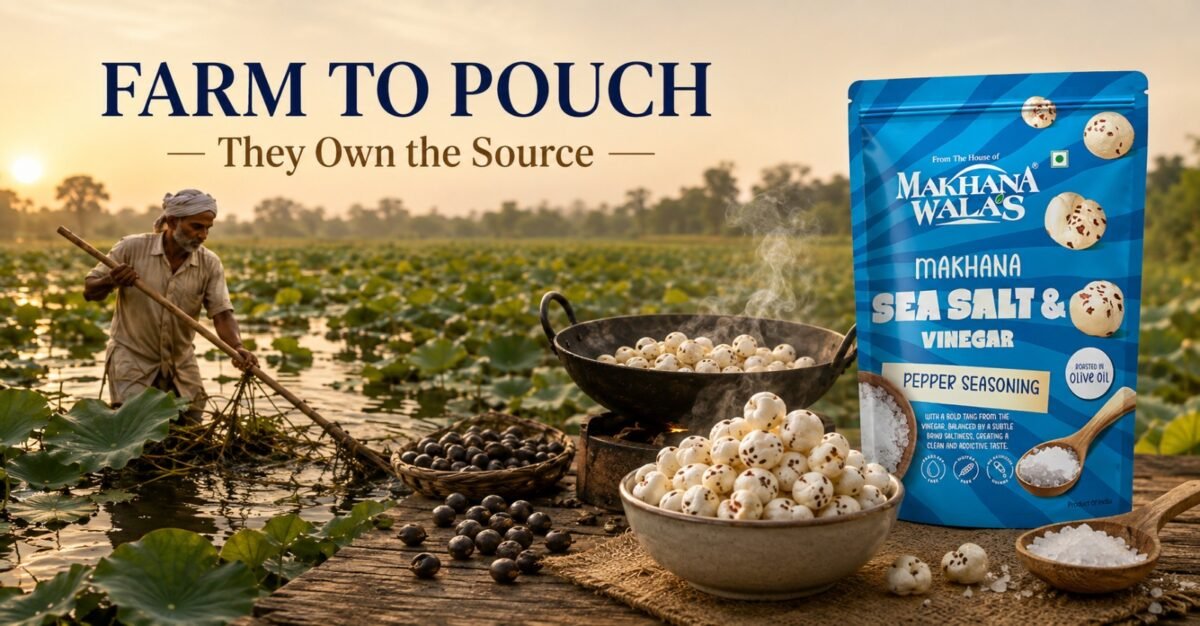
Farm to Pouch – They Own the Source
2026-08-14
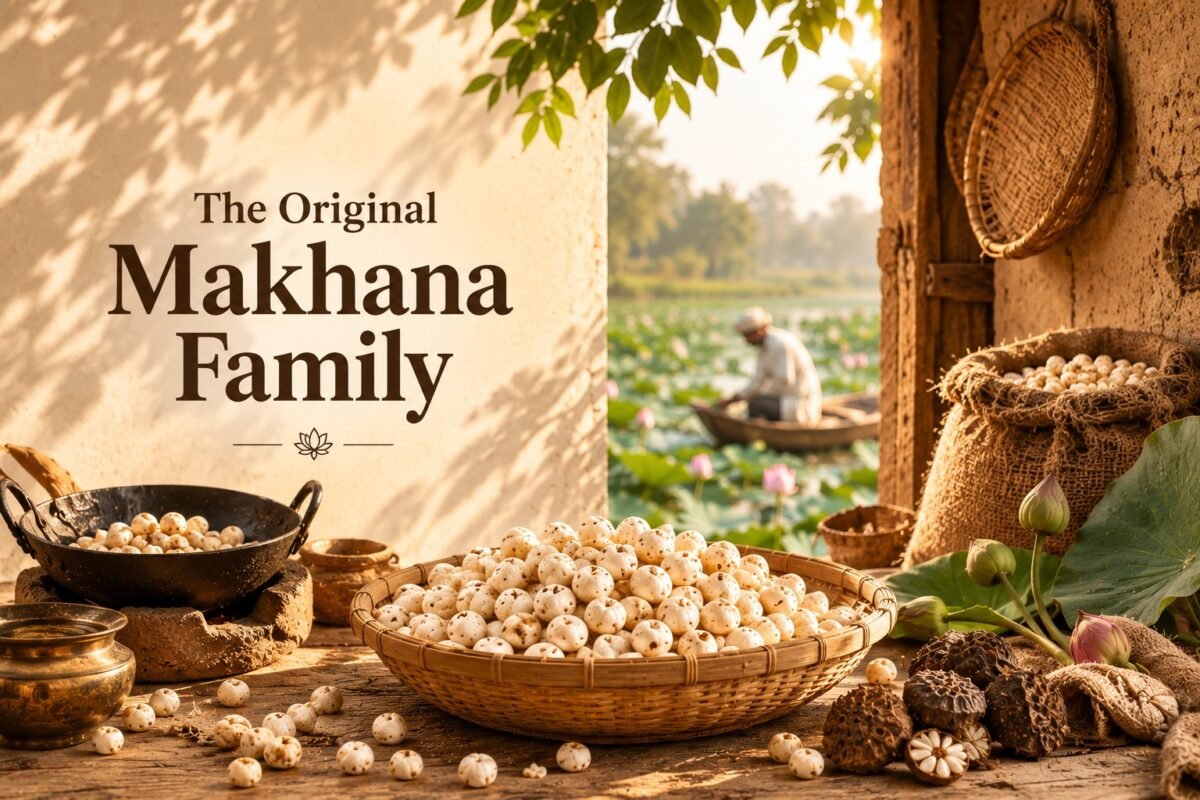
Before roasted makhana was a snack aisle trend, it was a family business.
Long before supermarket shelves were filled with roasted and flavoured and popped water lily seeds (fox nuts), a handful of families in Bihar had already dedicated their lives to cultivating them. One such family was the Sah family, whose journey began in 1941.
Today’s flood of roasted makhana brands showcase the snack food’s versatility, but these brands are similar in their approach. They can all talk about makhana’s nutritional value, appetizing crunch, and mix masalas in them to create delicious flavours, but how many of these brands can claim that they are the original family behind the popped seed? Very few, if any, can claim that – Makhanawala’s is one of them.
The History of Makhanawala’s
The scene is set in Bihar – the heartland of Makhana cultivation. The year is 1941. For the Sah family, 1941 marked the beginning of an 80+ year journey with makhana. It all began with Ram Chandra Sah. He saw the value in this seed and started cultivating and selling them. This was at a time when very few people even knew about the crop.
By the 1960s, his family owned ponds in the Mithila region of Bihar to crop seeds and trade the raw makhana in the wholesale market.
Over time, the Sah family had a network of real farmers, real ponds, and real families they were working with. This is not a factory relationship, but something beyond that.
Owning ponds meant far more than owning land. It meant understanding every step of the crop – from harvesting to roasting and popping.
Makhana Family
Harvesting makhana is a very tedious process. Harvesters must dive into the murky, muddy water – feeling along the bottom of the pond by hand to collect the spikey, dark fruits. The collected fruits are then gathered in bamboo baskets to wash away the mud and dirt. The washed seeds are dried in the sun for 2 to 3 days to bring the moisture content down. Then comes the roasting and popping. Historically done in cast-iron pans or earthen pots over intense heat (up to 400° C), the seeds pop open, releasing the white inner kernel. Every stage – from harvesting to roasting – is built on knowledge passed down through generations, not outsourced or learned overnight.
Makhanawala’s has a real, genuine connection with the people who harvest their makhana. On the other hand are mass-produced competitors who buy makhana wholesale and slap a label on it.
That is the difference between a makhana ‘brand’, and a makhana ‘family’. You will know the difference in each crunch. Due to the authentic connections Makhanawala’s has built, there is a genuine difference in the quality and taste of Makhanawala’s makhanas.
Ongoing Legacy
Today, that legacy continues through Alpana Jayant Sahne – founder of Makhanawala’s. Drawing on their past heritage, growing this brand is continuity, not reinvention. Same ponds, same family roots, just in modern packaging to reach out to a new generation of snackers.
Every pack of Makhanawala’s carries more than roasted makhana. It carries over 80 years of farming knowledge, relationships built across generations, and a family’s commitment to doing things the right way. That’s the difference between buying a snack and becoming part of a legacy.
That is why the next time you reach for your favourite Makhanawala’s roasted makhanas, remember that Makhanawala’s has family legacy and that they are truly a ‘makhana family’, not just any other brand. Shop now from the Makhanawala’s website and taste the difference.