

The Cultural Significance of Makhana in India and Indian Culinary Tradition
2026-06-26
Why Do Indians Value Imported Snacks More Than Traditional Ones?
2026-07-17
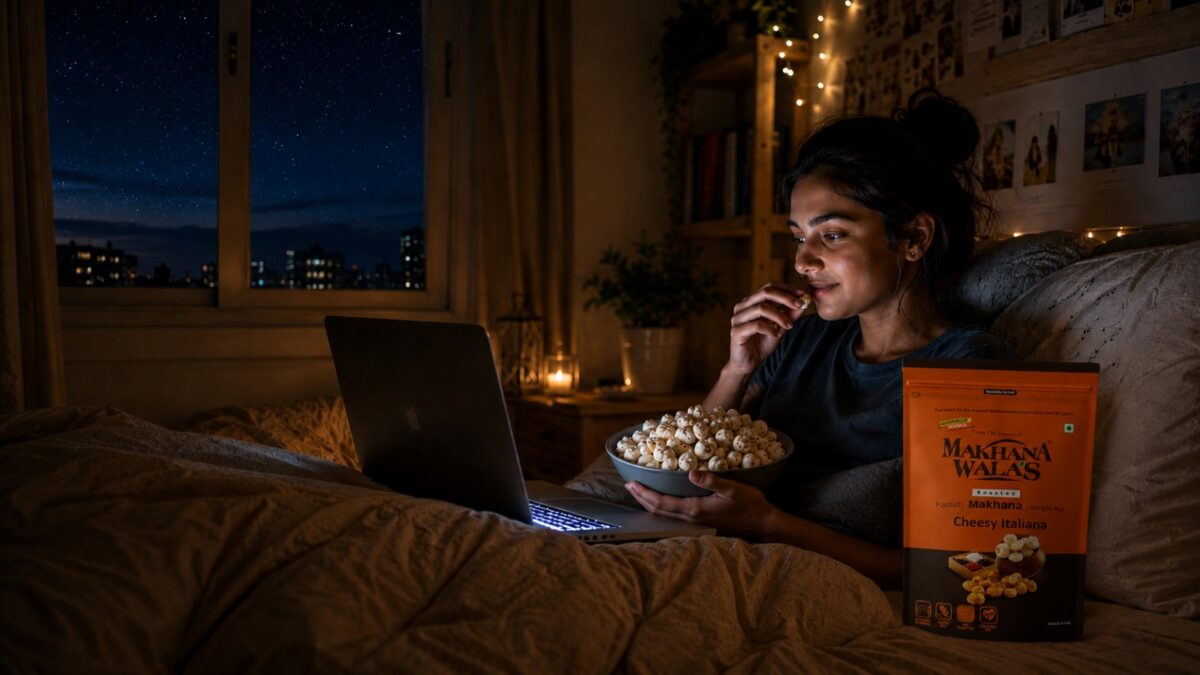
You know the moment. The show is over, the laptop’s shut, and you are lying in bed doing the thing where you tell yourself you are definitely going to sleep now. Except your feet are already on the kitchen tiles. Ten minutes later you’re standing over the counter eating cold leftover paneer with your fingers, or finishing a packet of chips you had promised yourself you’d save half of.
It feels great for exactly as long as it takes to chew. Then it’s 7 AM, and you are bloated, puffy-eyed, and weirdly thirsty, wondering why your body has decided to file a formal complaint against you.
Here is the part nobody tells you: it’s not really about what time it is. It is about what your body’s doing at that time.
By late evening, your metabolism has already started winding down for the night. Slower digestion, lower energy demand, the whole system quietly preparing to shut shop. Load it with something oily or sugar-heavy right before bed and you’re asking a tired system to do its hardest work during its scheduled break. It does the job badly. You feel it the next morning.
And here’s the more uncomfortable truth: most midnight cravings have nothing to do with hunger at all. Stress does it. Boredom does it. So does sitting in front of a screen with your hand on autopilot, reaching for whatever is nearby. The food isn’t solving a nutritional gap, it is filling fifteen minutes of restlessness, which is a completely different problem that potato chips were never going to fix.
The food you pick in that window matters more than people think, too. A sugar-and-refined-carb snack at 11 PM does not just sit there – it can mess with your sleep itself: acid reflux, restless tossing, waking up at 3 AM for no good reason. Bad sleep makes you hungrier the next day, which means more snacking, which means worse sleep again. It is not really a craving. It is a loop.
Then there is the guilt, which somehow always lands heavier than the snack did. One packet of chips at midnight does not undo three weeks of eating well. But it feels like it does, and that feeling alone ruins a lot of mornings that didn’t need ruining.
None of this means stop eating at night. If you’re actually hungry at 11:45, then eat. The fix isn’t willpower – it’s choosing something that won’t pick a fight with your stomach six hours later.
This is roughly the entire case for buying makhana online as a midnight food. It is light enough that it doesn’t sit like a brick, crunchy enough to feel like an actual snack and not a punishment, and it doesn’t come loaded with the oil and refined sugar that turn a 15-minute craving into a long night of acid reflux. It satisfies the ‘want a crunchy thing in my hand’ urge without the part where you regret it by sunrise. You can find high protein roasted makhana online and get your fix.
At Makhanawala’s, that’s really the whole philosophy: the craving is real, so don’t pretend it away – just stop handing it something that’ll cost you your sleep.
So next time it’s quarter to midnight and the kitchen’s calling: have the makhana. Skip the chips. Your 7 AM self has opinions, and for once, they won’t be complaints.