
Why Makhana Has Always Been a Satvik Staple (And Still Is)
2026-06-25
Why Do People Regret Eating At Midnight?
2026-06-29
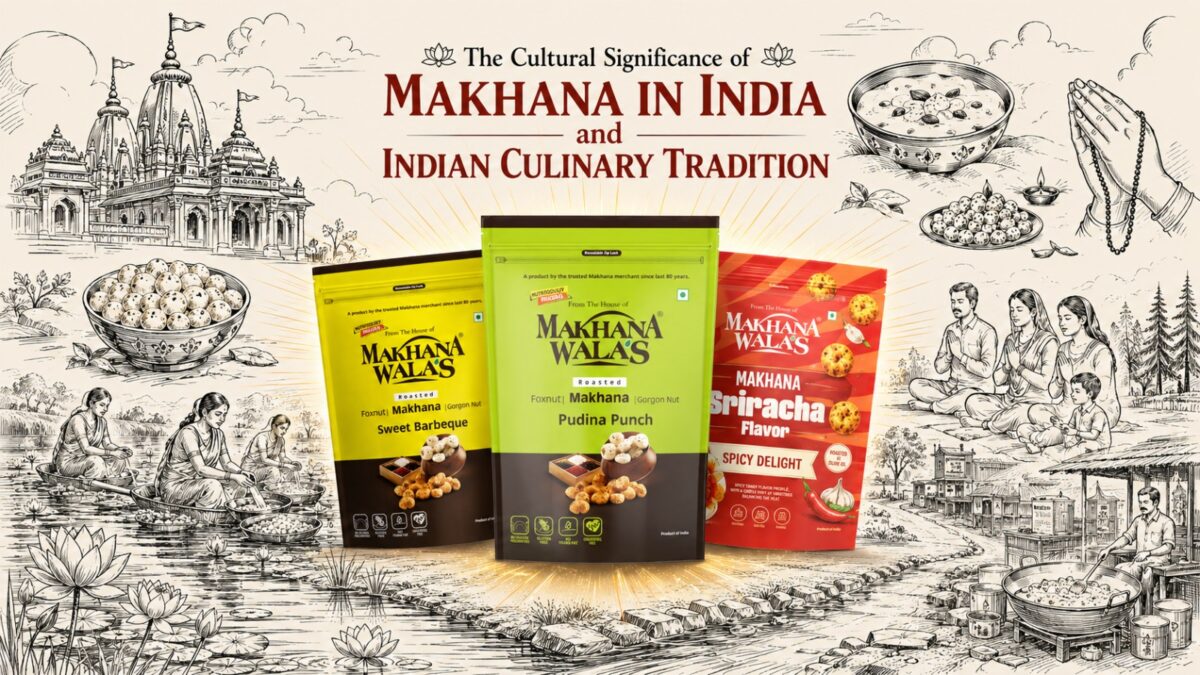
Makhana, or water lily seed pops, represent a vital component of the agricultural history and spiritual heritage of India. The importance of the seeds predates any food fad, trend in reels on Instagram or any other place, but rather has roots in Indian culture in the offerings in temples, in fasting festivals and in the wetlands of Mithila, where these have been harvested for centuries. Let us take a closer look at makhana and its cultural significance in India, as well as Indian culinary tradition.
Water Born, Culturally Embedded in Ritual
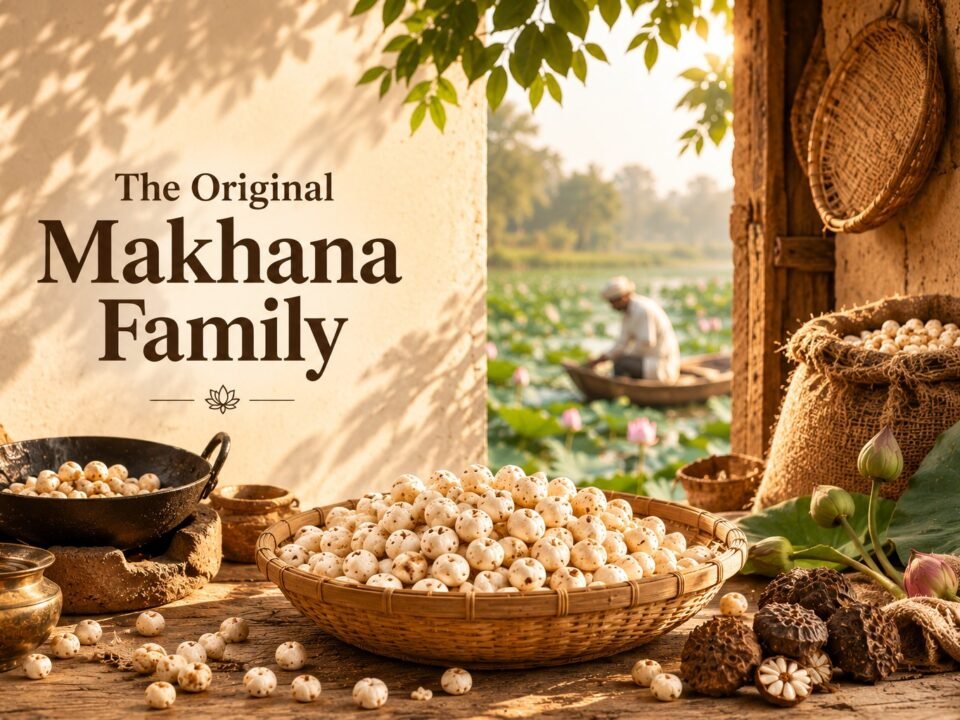
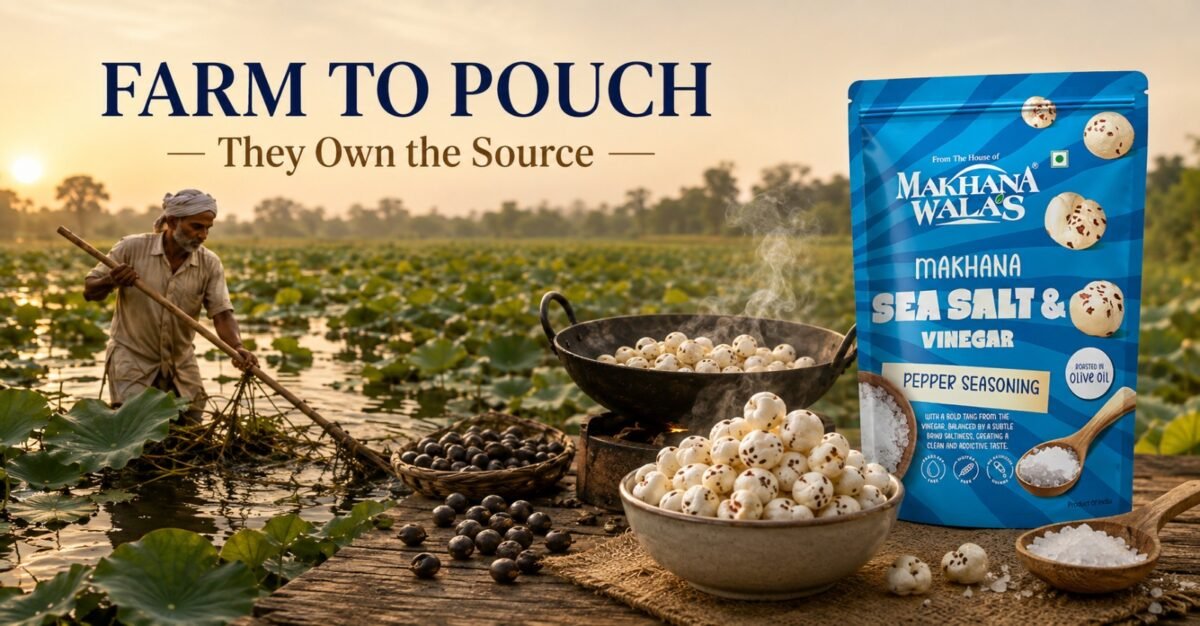
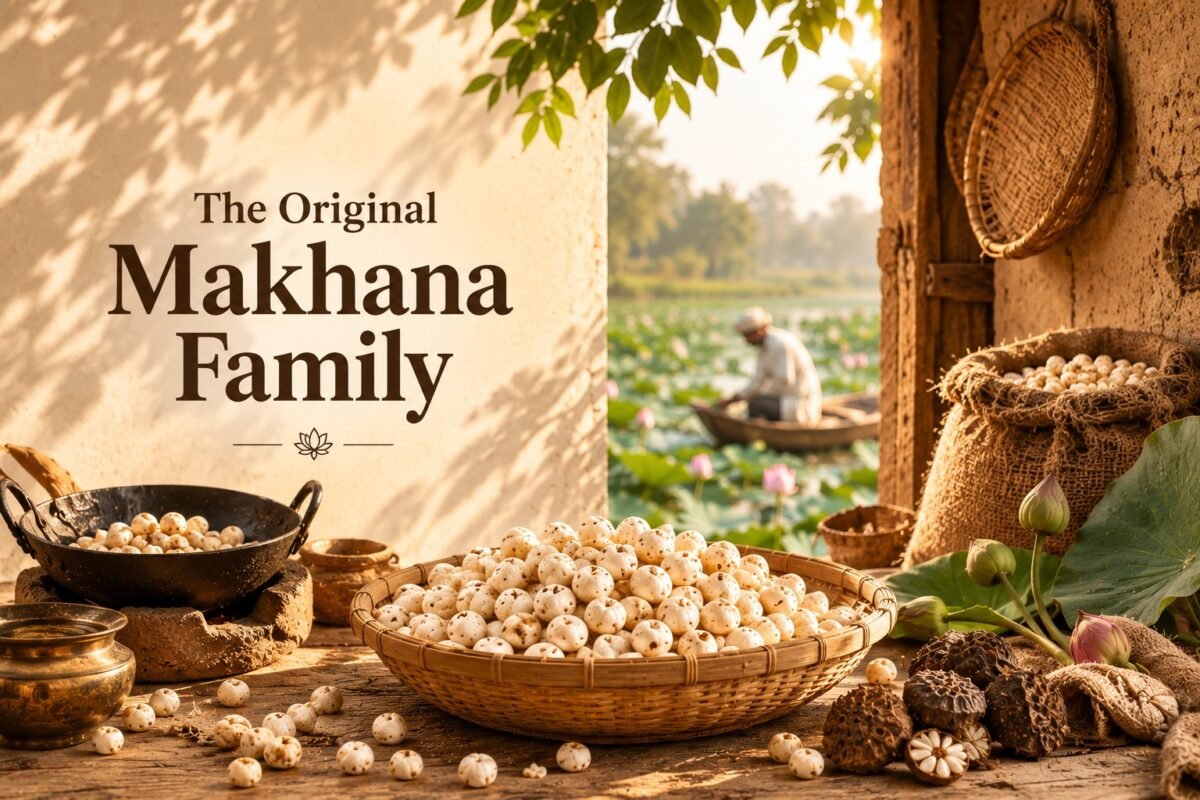
Unlike other crops that may be farmed on a piece of agricultural land, makhana or water lily seeds cannot be cultivated anywhere near a farming space. Instead, they come from the quiet waters and marshes of Mithila region in Bihar, where the seeds of Euryale ferox plant are patiently extracted from the stagnant waters after the plant has flowered in there, roasted, and popped. It is not grown as an agricultural product. Instead, it is made through a process that is practiced by generations of local farmers, who extract the produce from waters with patience and craftsmanship.
This background gives cultural importance to the food. While India has long moved away from traditional farming practices in the pursuit of greater efficiency, the practice of making makhana has stayed true to its origins.
A Staple of Fasting and Faith
No food in India has a spiritual significance quite like makhana. Makhana forms an important part of vrat cuisine and is consumed during festivals such as Navratri and Ekadashi, among many others, when one abstains from grains and some kinds of food. The fact that makhana is easily digestible and has a satvik nature – pure, simple, and without any excess – made it an ideal food for people who were fasting.
This is not a coincidence. This is an indication of how the Indian food culture has always been associated with the kind of feeling we would like to experience – calm, peaceful, and spiritually untainted. Consumption of makhana kheer, makhana curry, and roasted makhana while fasting is more than just food. It is a ritual that has survived trends and deserves more reverence than snacks do.
From Royal Kitchens to Roadside Carts
The history of makhana in the Indian kitchen has never been about being restricted to a particular socio-economic group or region. It has been part of the deliciously decadent kheer made with abundant amounts of ghee served in royal kitchens. It has also been simply roasted and salted by street vendors. It has found a place in the raita of North Indian homes and even in the sweet delicacies of Eastern India.
It is due to such flexibility that makhana has survived all these years. Makhana never had a particular identity.
A Quiet Revival, Rooted in Memory
These days, with increased interest in minimally processed food, gluten-free food, and natural lightness, makhana is experiencing somewhat of a revival-not as a novel product, but rather as a rediscovered one. While what wellness culture deems a “superfood” is indeed something that Indian families have always been familiar with, the discussion has just finally caught up to what Mithila’s pond-keepers and housewives have known all along.
It is this connection with India’s past and present that sets makhana apart from other food items. It acts as a bridge between the spiritual culture of India, its regional ecology, and changing concepts of good nutrition. Every roasted seed tells the story of the pond’s patience, the fast’s austerity, and the kheer of one’s youth-a little white seed carrying big stories of India’s culinary history within itself.
At Makhanawala’s, we cherish this rich history of makhana. As those who have been in the business of makhana for over 85 years, we have seen it grow. Our flavoured makhana upholds this history and adds a pop of contemporary flavour with our delicious flavourings. Try any of our flavoured makhanas today for a mouth-watering crunch.